PledgeMe is the first New Zealand crowdfunding platform and has helped many kiwis fund the things they care about. Since its launch, PledgeMe has allowed Kiwis to go out to their crowd, ask for funding, set goals, define how much money to raise, set deadlines and offer something in return. PledgeMe might be a well known brand now, but it was a startup itself, and like all startups its success came off the back of a lot of hard work and overcoming challenges along the way.
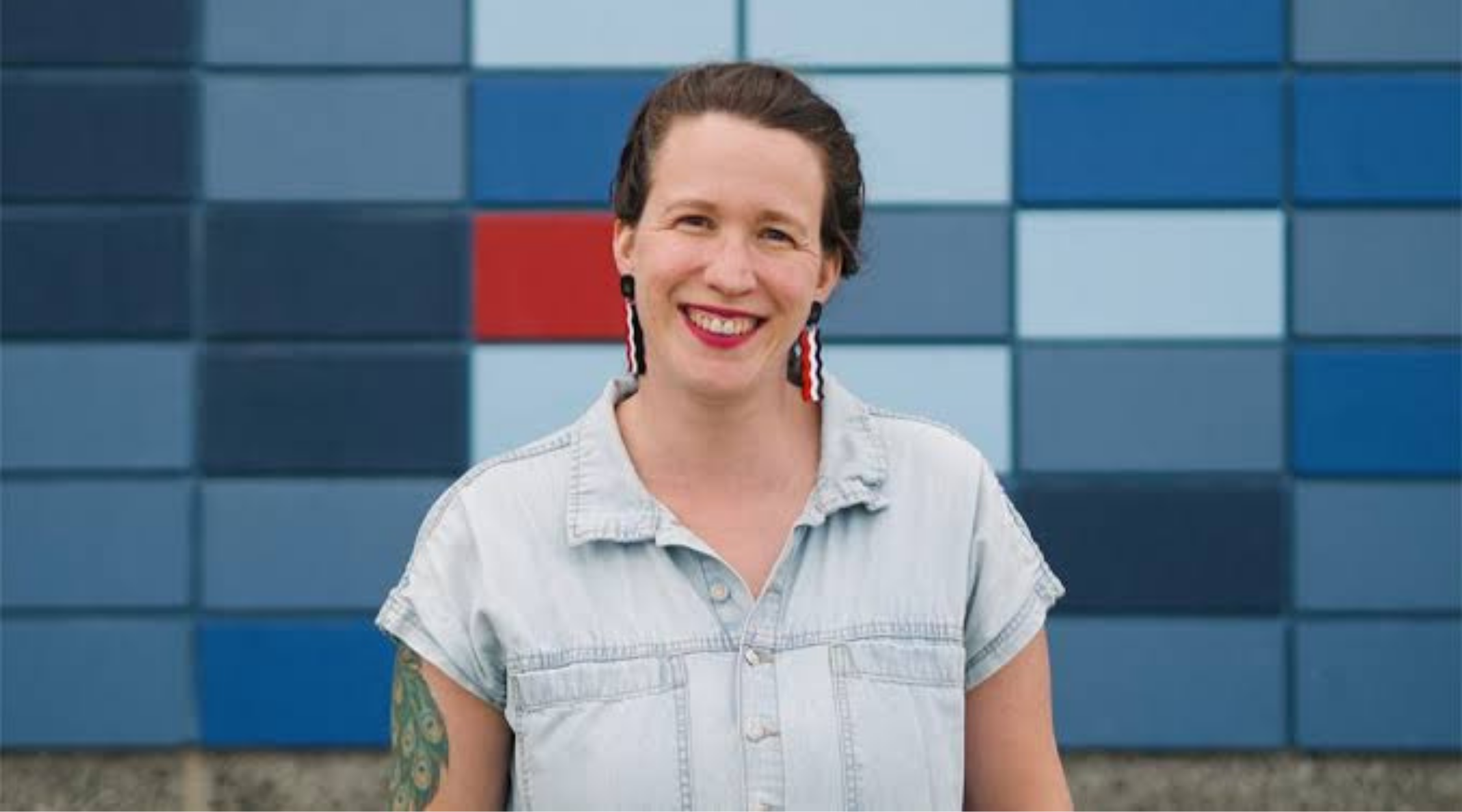
This week we sat down with Anna Guenther, the CEO (or Chief Bubble Blower) of PledgeMe, for a brilliant chat about the nature of the business, merit in determination, keeping good company, and plenty more. If you’re searching for advice around entrepreneurship and crowdfunding, this is well worth the read. For even more quality content, listen to the podcast of Anna’s interview.
Was there a particular frustration or a-ha moment where you came up with the idea for PledgeMe? How did it come about?
I had hit my peak in a government job and decided to get to the next level I’d either have to work for a private company or do a masters. I decided, perhaps dumbly, to do both. I came to do a masters in entrepreneurship at Otago University. Our thesis is to do everything but start a company. When I was trying to pick a topic, I saw what was happening internationally with crowdfunding and I got excited. I found a guy who was building a backend for crowdfunding, and we decided to work together. He ended up launching something after a little while, which was PledgeMe’s first sort of iteration.
People often ask why was crowdfunding interesting? For me, one of my first jobs, when I started, was grants administration and it just seemed dumb that a 23-year-old was deciding whether a company should get money or not. Why would a 23-year-old know anything about that? But why would anyone in government be able to make a better decision than the community that cares about that company? Crowdfunding just made sense.
What makes PledgeMe different from the likes of Kickstarter, Snowball Effect? What is your niche in that crowdfunding arena?
Crowdfunding is a crowded market. The likes of Kickstarter, I would argue, is the granddaddy of crowdfunding but they cater to the mass market. They provide a platform but very little hands-on support. Whereas we are a much more personal service. When details don’t go to plan, which is always the way, we’re there with you. We just want to support people. We’ve gotten better at articulating this, but it was always our value proposition.
What was your experience like with Audacious when you were coming through? It’s a little bit different now in terms of how the program is run, but what was that like? How’d you get involved?
We were forced to do it, no offense, but as part of the master’s program, they made us pitch into Audacious. I had to do it twice. Both times I failed. Once with a random idea and once with PledgeMe. But often pitching an idea is very different from delivering an idea.
I am one of many of my friends that pitched into university competitions and didn’t win. I think I’m amongst good company. You shouldn’t stop after those first setbacks. I used to call it stubbornness, but it’s more determination. That’s one of the biggest things for entrepreneurship or starting any business – being determined enough to keep on going even when it doesn’t shape out the way you wanted it to, it never does.
Have there been any other moments of frustration where things haven’t necessarily been going how you thought they would with PledgeMe, but you’ve had to persevere?
All the time! Often your best weeks are also your worst weeks. Once our transaction provider decided crowdfunding was illegal and shut us down with no notice when we had a whole cohort of successful campaigns that we couldn’t process the funding for. It was amazing as well because we managed to communicate it to our crowd in a way that they started going out to bat for us – creating memes, calling banks, canceling their cards with banks that were part of this scheme, pitching to the media. We ended up getting turned back on after just over 24 hours.
But it would have been a really easy point in time to call it quits. My co-founder at the time was like, “I think we’re done. This is us. If we can’t process funding, there’s no reason to go ahead.” I was just a little bit more determined. I was like, “Nah, we’re just going to communicate and figure out a different way of getting the money through. It’s not over.” But it could easily have been over then. But PledgeMe has currently raised over $30 million New Zealand now, to such a diverse group of people. 10% of that has gone into Otago.
We’ve seen a few people in our community gain funding. For instance, Kaffelogic, which was a start-up that came through one of our programs and OCHO that came out of the Cadbury situation down here. Are there some common trends that end up helping them get over the line? Do successful people have some things in common?
We say there are three elements to a successful campaign, the three Cs. The first one is a good campaign. So you know how the money is going to be spent and what you need to do. The second is a good crowd. You know you have the people that care about what you’re doing, either because they’re customers or because they’re your friends. Then the third C is good comms. So you’re able to communicate this great campaign to the crowd that loves you. If you’ve got those three elements, you might make it. But you need to focus on all of them.
How would you describe your typical customer? Are there any kind of interesting exceptions to that, and who usually jumps onto crowdfunding on PledgeMe?

It’s so varied. We had the world’s youngest equity crowd funder, Indy Griffiths, who was 19 at the time. Otago boy. He was raising money for his company that he started in high school, Parent Interviews. It’s a web app that matches parents to teachers to book in their interview times. When he wanted to raise money, he realized that not many banks would lend money to a 19-year-old, and not many investors would back a 19-year-old at that stage. He went out to his crowd and was pretty prolific on Twitter. Some of the best technical minds in New Zealand followed him. So when he went out to raise money, he had the founder of Vend, some of the early employees of Xero, as well as people in Dunedin invest.
The thing that I love about Indy is he was so articulate. He ended up having one of his competitors ask some not great questions on his campaign page. They were very leading, not very professional. Indy responded so well, he had people invest in his company based on how he responded to the trolls. It showed age doesn’t matter when you’re building a company. That’s the strength to crowdfunding. The ones that do successfully through us is partially because they’re excluded from the traditional ways of raising funding, but it’s partially that they don’t want those traditional ways of raising funding. They want the crowd and they understand the benefit of having a community.
When you’re talking to people about PledgeMe and crowdfunding, are there any typical or stereotypical questions that people end up asking. Perhaps something similar to a misconception that someone might have about how crowdfunding works?
One misconception is that it is for startups. I guess it depends on how you term startups. But what we’ve seen is that it works best for companies that are already going. They have revenue, they have customers that love them and they’re going out to raise that next level of funding to get to the next part of their growth plan. Often people think it is where you get that first amount of money through equity crowdfunding and that is not the case. That said, project-based crowdfunding, like the Kickstarters of the world and reward-based stuff that we do, that’s a great way to gain validation for large purchases.

You’re almost going to be a serial entrepreneur now. Would you consider yourself that with this new company you’ve started?
I just accidentally start things. It’s called Cheesecartel.com because we got the dot com. I started it with a bunch of friends and we all have our own companies. It’s really lovely because you can be direct and honest. Having this as well as PledgeMe has taught me to only start companies with people that you want to hang out with. You’re going to be in the trenches with them for a long time and you want your values to be aligned. I know three of these girls from the Female Founders Group which came about through a random email out of the blue from a woman who’d crowdfunded through us. But she wasn’t part of that organization anymore. She was a CEO of Thankyou Payroll, Leonie Evans. She’s great. She just sent this email and she’s like, “Me and another female founder we were thinking we’d start this group. I’ve organized a batch just outside of Wellington, would you come away for a weekend?” And I didn’t know her very well at all, but I was just like, “Oh, sounds like an interesting thing.” We’ve been doing it for four years! The only thing is everyone who comes has to bring a problem or an opportunity they’re working on. Then over the weekend, you try to help each other out. I think that peer learning piece is one of the biggest things in business is to find people that are going through similar things and learning from each other.
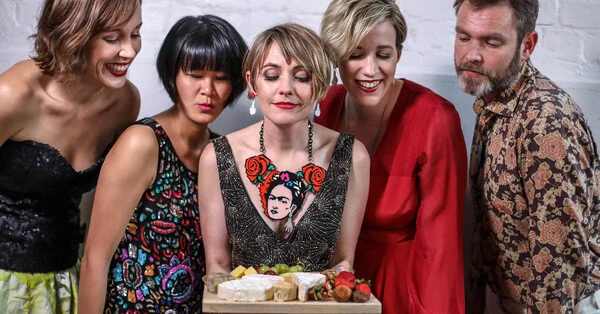
But cheesecartel.com has also helped me understand that you need to know when to ask for help, not just for when you’re starting but in the middle of it. Even from a mental health perspective, it’s so important. Some issues are happening, so making sure that people have that support and know they aren’t alone in it and they can rely on each other is important. Everyone is going through their own things.
Before we go, is there anything that you’d like to leave our audience with? You can plug, you can say go to Cheesecartel.com. You can do absolutely anything. Is there a message that you want our audience to take forward with them?
I think my plug is probably more of a general plug of the enterprises that we’re all starting or supporting should be focusing on something bigger than just creating financial returns. We’re at a stage in our history where there are some massive problems and issues that need to be solved. I think to solve them, we’re going to have to start creating more enterprises that focus on that, as well as creating sustainable organizations. That’s the future. So, my plug would be more people thinking about that, please, especially in academia. Would be great if there was more research on that. So, University of Otago, you know what I want you to do.
If you want more detail and in-depth discussion you’ll find it in the podcast!
All of the useful links for PledgeMe are as follows:
Their Instagram, Website, Facebook, Twitter, Linked In, Blog, Newspaper and Contact details.